On Jan. 20, 2026– just hours after taking office– President Donald Trump paused refugee admissions, leaving over 120,000 already approved refugees stranded abroad and cutting the federal funding that flows into local refugee resettlement organizations.
Before the freeze on refugee admissions, refugee resettlement agencies received federal funding to help support refugees for the first 90-days of their resettlement process in the U.S. But most resettlement organizations offer support and resources that extend far beyond those first 90 days. With the sharp decrease in federal funding, organizations are struggling to keep providing these services for recently resettled refugees who are still finding their footing in the U.S.
The Peninsula Press spoke with three Bay Area refugee resettlement organizations about how they’ve grappled with budget cuts and shifting needs, and how they plan to continue serving the communities they support.
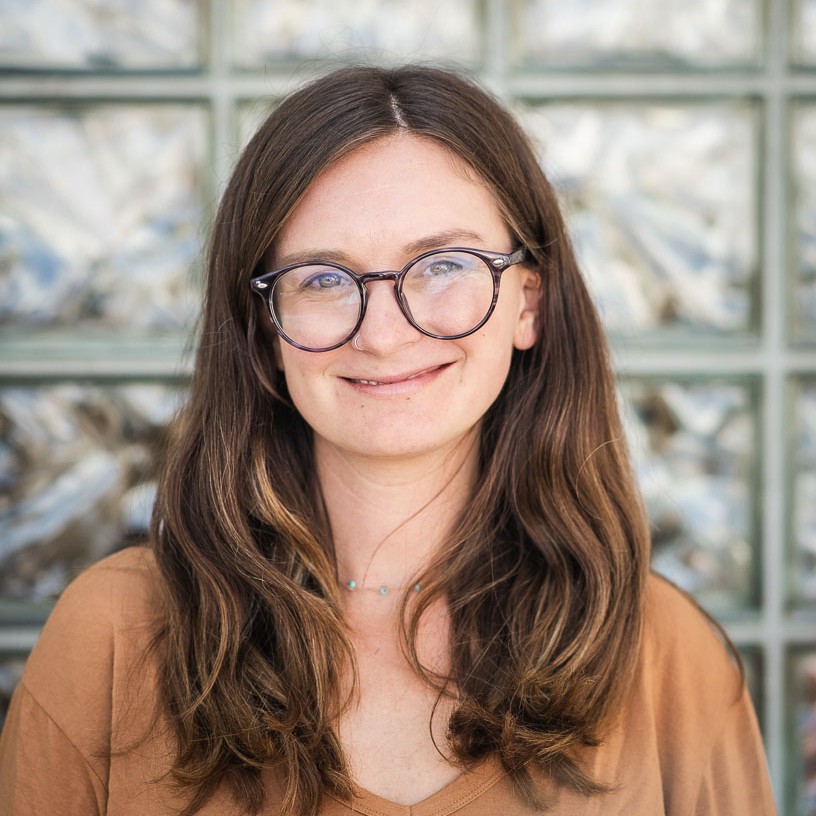
Anna Hoch-Kenney is a visual journalist from Oakland, California. After studying Sociology at UC Santa Cruz and trying out a few different career paths and countries, Anna rediscovered her passion for photography and storytelling in a photojournalism class at her local city college. In the years since, she has worked as the staff photojournalist for Coastside News Group, a local news organization covering California’s San Mateo Coast, and as the staff visual journalist and assistant audience engagement editor for the Embarcadero Media Foundation, a nonprofit news organization covering communities on the Peninsula of the San Francisco Bay Area. Her work at both organizations has been recognized with multiple CNPA awards. Anna is excited to explore new mediums for storytelling and build on her passion for local news at Stanford. When she's not on assignment, Anna is most likely out on a scenic drive, getting lost on a trail, or hunting for thrift store treasures.
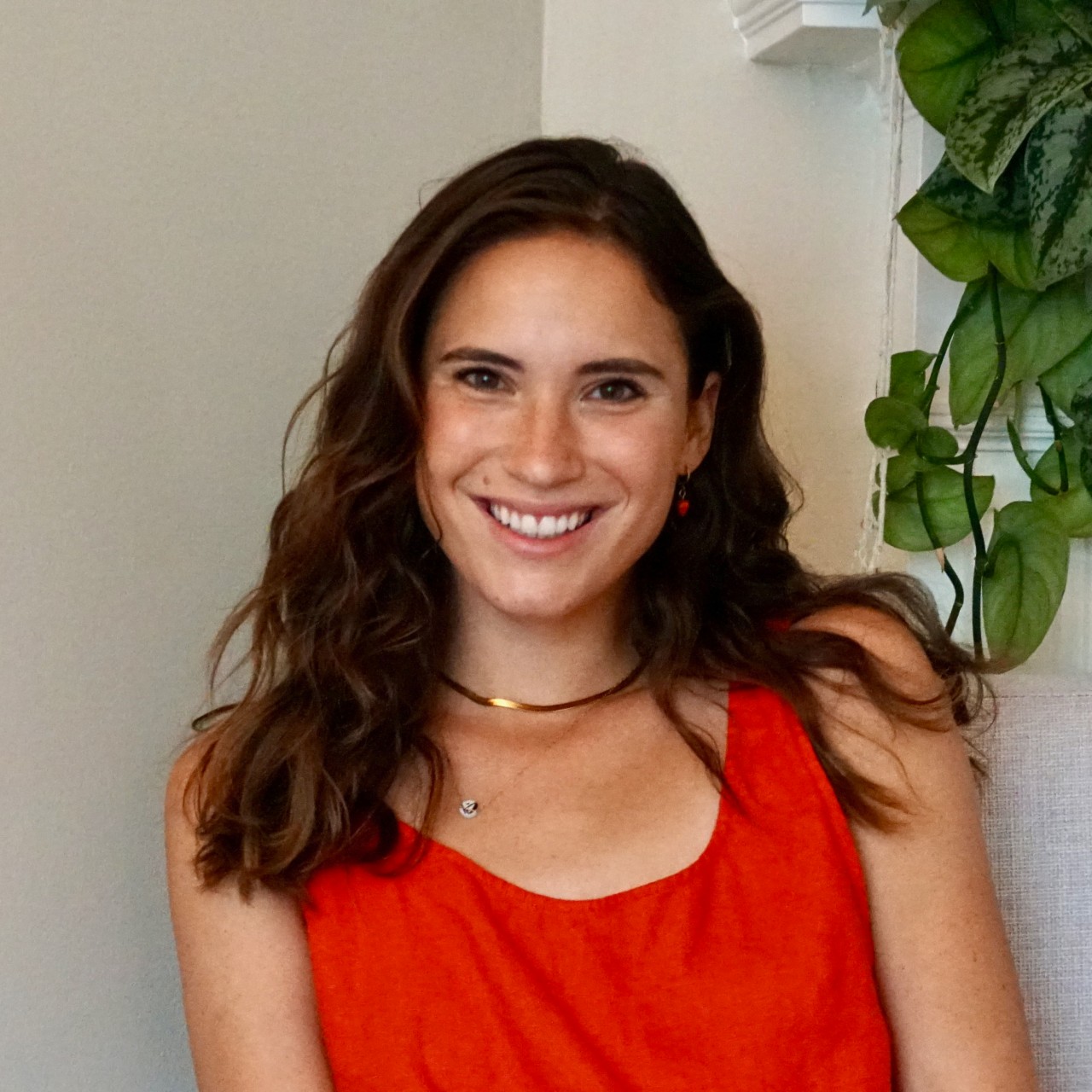
Eleanor (Ella) Jackson grew up in Houston, Texas. She graduated from Colby College in 2019 with a BA in Global Studies and a minor in Creative Writing. After graduation, she packed up her bags and moved to Washington, D.C. where she joined the World Resources Institute’s (WRI's) Urban Mobility team and began working on vehicle electrification projects in the United States, Latin America, and Asia. She spent the majority of this time researching the intersections of vehicle electrification and environmental justice in the United States for WRI's Electric School Bus Initiative. She then built out both student and teacher engagement workstreams to bring the project closer to those most impacted by the transition. She plans to continue working to accelerate the climate transition in a way that acknowledges, addresses, and corrects injustice. At Stanford, Ella plans to learn how to weave together narratives and data to share impactful stories and to build connections between communities both locally and globally.
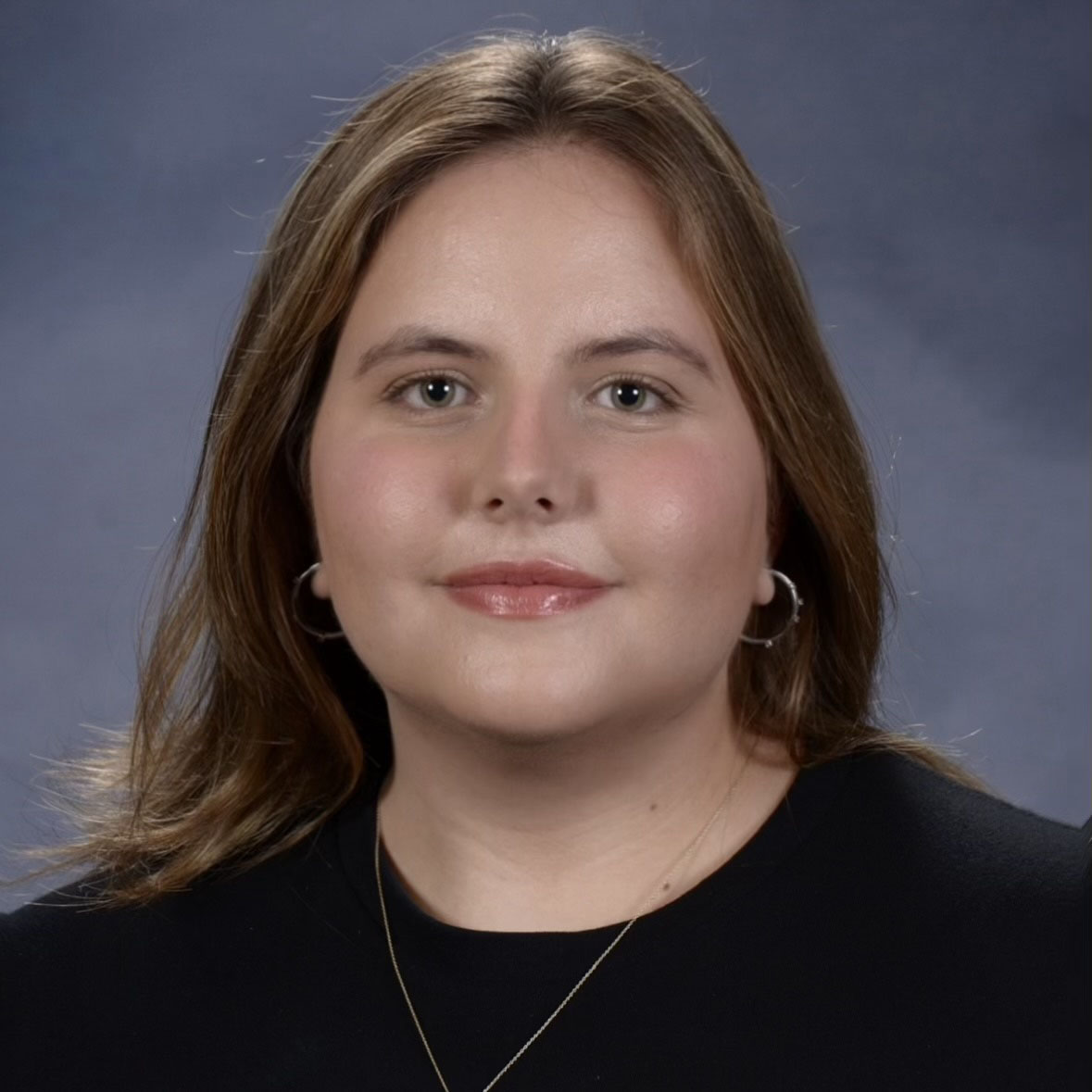
Before coming to Stanford, Tatiana earned her B.A. in History and Art History from Williams College, where her studies focused on global politics and conflict. While at Williams, she worked on The Record, the college's newspaper. She served as a student representative and advocate to the History Department, participating in outreach programs to incoming students and advising the department on administrative matters. Her interests extended into the arts, where she took on creative and technical roles in campus theater productions and filmmaking, blending storytelling with hands-on production work. As an aspiring journalist, Tatiana hopes to continue her work, covering policymaking and geopolitics. In her free time, she enjoys reading, discovering new music and swimming.